Why Is My Lawn Turning Brown?
A South West Sydney Guide
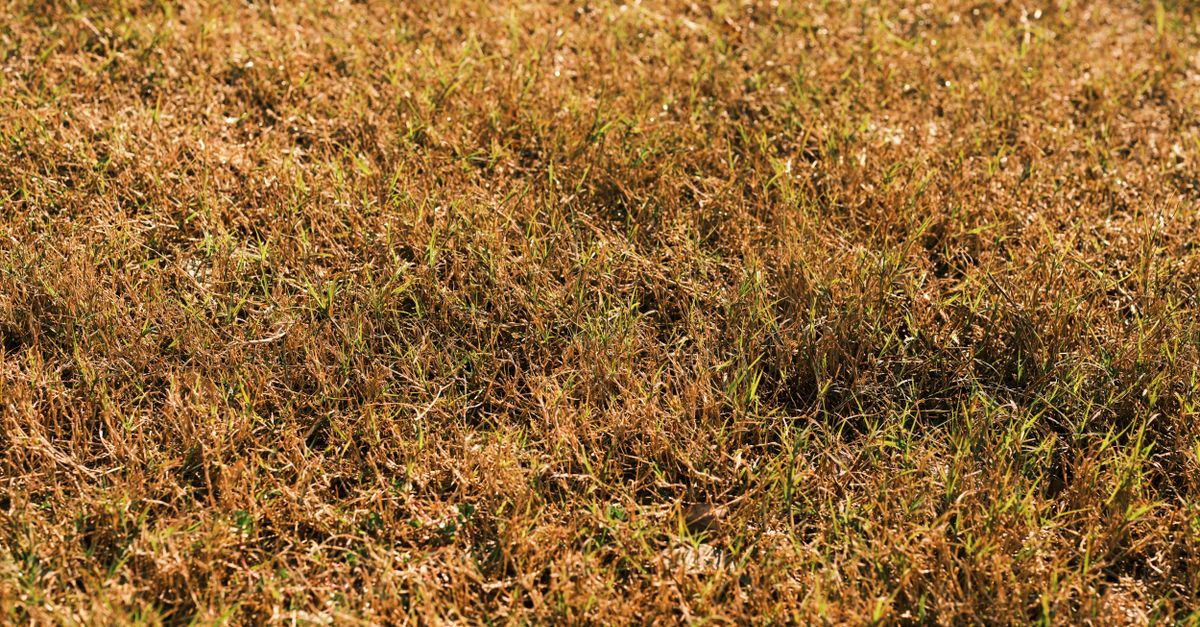
A browning lawn is one of the most common things I get called about across South West Sydney — and most of the time, the brown grass is not actually the problem. It is a symptom. Something underneath or in the way the lawn is being looked after has changed, and the colour is just how the lawn tells you.
The good news: a lot of brown lawns are not dead at all. They are stressed, and they green back up once you fix the cause. The trick is working out which cause you are dealing with before you start throwing water and fertiliser at it.
Here is how to read your lawn and sort it out.
First: is your grass dead, or just dormant?
This is the question that decides everything else, so start here.
Grab a handful of the brown grass and pull gently.
- If it holds firm and you can see a pale or slightly green crown right at the base of the blades, it is dormant — alive but stressed, usually from heat or lack of water. It will come back.
- If it lifts away easily with no resistance and the base is brown, dry and brittle, that patch is dead and will need re-turfing or re-seeding.
A dormant lawn is sulking, not finished. Most browning in a South West Sydney summer is dormancy, not death — which means the fix is often cheaper and simpler than people fear.
The common reasons a South West Sydney lawn turns brown
Almost every browning lawn I see comes down to one of these.
1. Watering — too little or too much. In summer heat a lawn that is not getting enough water goes brown and dormant to protect itself. New turf is the most vulnerable — it needs daily watering for the first 2 to 3 weeks, twice daily in real heat. The opposite also browns a lawn: constant shallow watering keeps the roots near the surface and rots them in poorly drained soil. Deep and less often beats shallow and daily.
2. Scalping. Cutting too low, or letting the lawn get long and then taking it right down in one go, tears the green canopy off and exposes the brown stems underneath. On Sir Walter Buffalo, anything below 25mm scalps it. Keep buffalo at 30 to 40mm and never remove more than one-third of the leaf in a single mow.
3. Summer heat stress. When it gets genuinely hot, even a healthy lawn will pull back and go a dull brown-green to survive. This is normal dormancy. Keep the blade a little longer in summer — 40mm on buffalo — so the leaf shades the soil and holds moisture.
4. Compacted clay or builder fill underneath. This is the big one across our new estates. Most new South West Sydney homes sit on compacted clay subsoil and builder fill — it drains poorly, holds little nutrition and stops roots getting down. The lawn looks fine for a few months, then browns off in patches no amount of watering will fix. Most lawns that fail, fail underneath, not on top.
5. Fungal brown patch. In warm, humid weather you can get a fungal disease (brown patch) that shows up as roughly circular brown rings, often after a stretch of muggy nights. Watering late in the day and leaving the lawn wet overnight makes it worse.
6. Dog urine. Small brown spots with a darker green ring around them, in the spots the dog favours. The nitrogen burns the grass. A real cause, and an easy one to identify.
7. Thatch buildup. A thick mat of dead stems between the green leaf and the soil blocks water and feed from getting to the roots. Common on older lawns mown too high for too long.
How to bring a brown lawn back
Once you know the cause, the fix usually follows on its own.
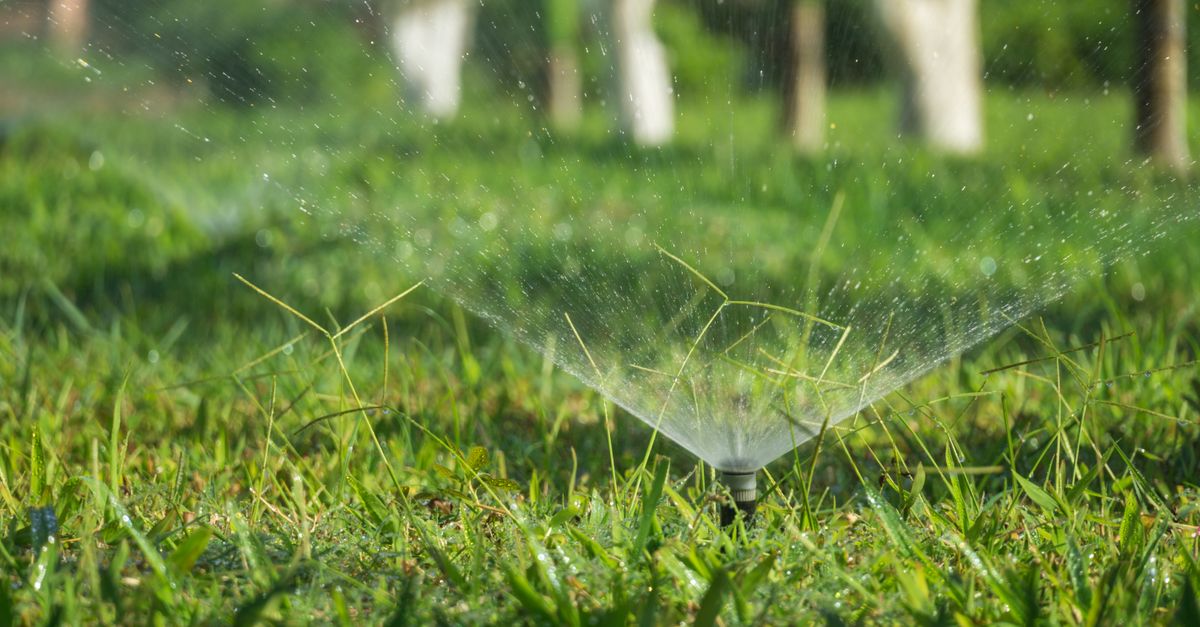
- If it is dormant from heat or dry weather: water deeply two or three times a week rather than a light sprinkle every day. Deep watering pushes the roots down to find moisture. Most dormant lawns green up within a couple of weeks.
- If you have been scalping it: raise the mower, sharpen the blade, and bring an overgrown lawn down over two cuts a few days apart instead of one hard scalp.
- If the soil is the problem: watering will not fix a soil problem. The lawn needs the soil improved — aerating to relieve compaction, and topdressing with good topsoil to give the roots something to work with. This is where the lasting fix is on new-estate lawns.
- If it is fungal: water early in the morning so the lawn dries through the day, improve airflow by dethatching if it is matted, and treat with a lawn fungicide if it keeps spreading.
- If a patch is genuinely dead: rake out the dead material, loosen and improve the soil underneath, then re-turf or re-seed and keep it watered daily until it takes.
How to stop it happening again
A green lawn that stays green is mostly about getting the basics right and being consistent.
- Mow at the right height for your turf — 30 to 40mm for Sir Walter Buffalo — and keep the blade sharp.
- Water deeply and less often, early in the day.
- Sort the soil out underneath. On new builds, that often means topdressing with quality topsoil and good mulch on the garden beds rather than fighting the clay forever. I make my own mulch and can supply quality topsoil if your lawn needs a hand.
- Feed it at the right time of year and keep on top of mowing so it never gets long enough to need a hard cut.
When it is worth getting someone in
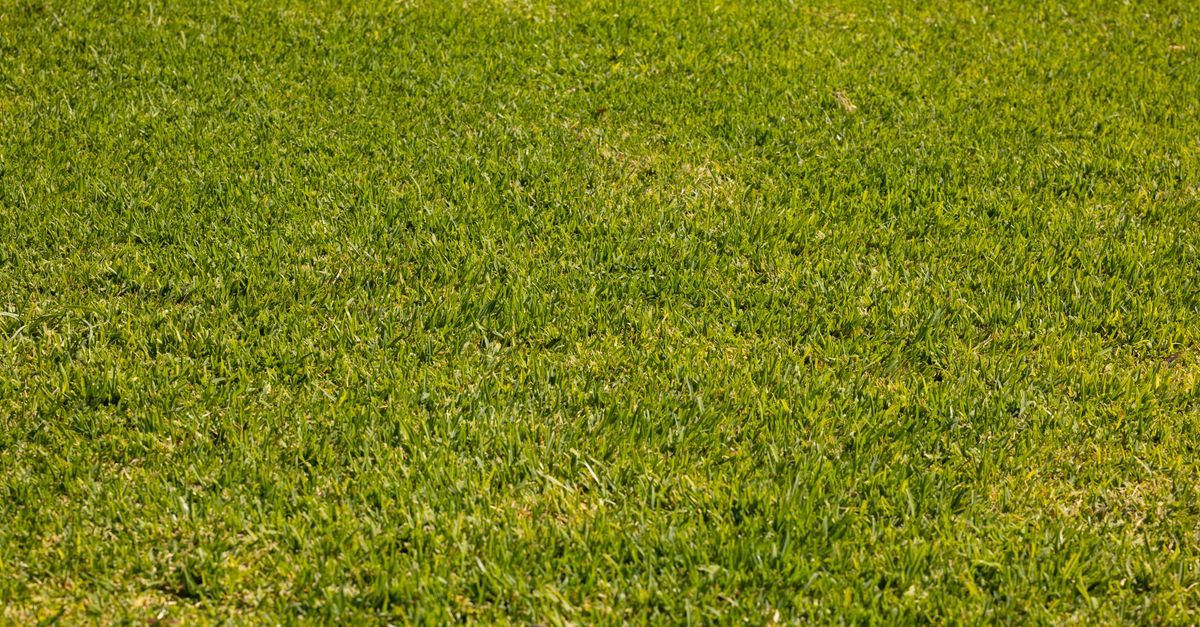
If your lawn is dormant from a hot week, you do not need anyone — water it deeply and it will sort itself out. Where it is worth a call is when the browning keeps coming back, spreads in patches, or you suspect the soil underneath is the real issue and you are tired of guessing.
Adrian's Grass Cutting & Landscaping works across South West Sydney. If your lawn keeps browning off and you want someone to look at what is actually going on — mowing height, watering, soil, or fungus — call 0455 266 497 for a free quote and we will come and assess it.
Lawn browning off and you are not sure why?
We will come out, work out the real cause, and tell you straight whether it is a quick fix or a soil job. Free quote, callback within 2 hours.
📞 Call Adrian — 0455 266 497